
Half of UK Homes Fail to Sell
Why Nearly Half of UK Homes Fail to Sell, And Why Buyers Should Negotiate Harder Than Ever
A recent article by Lisa Isaacs, drawing on Zoopla research, highlighted a striking statistic that many surveyors and property professionals may already have suspected: nearly half of UK homes listed for sale over recent years failed to achieve a completed sale.
That figure alone should fundamentally change how buyers approach property negotiations.
For years, many buyers have been conditioned to believe that the asking price is somehow an objective reflection of market value. In reality, the asking price is often nothing more than the seller’s financial ambition, emotional expectation, or funding requirement for their next purchase.
This distinction is critical.
The asking price is not necessarily what the property is worth.
It is what the seller hopes somebody will pay.
The uncomfortable truth behind asking prices
Zoopla’s findings exposed a major issue in the current market: sellers are frequently pricing homes according to what they need financially, rather than what the market is realistically willing to pay.
More than one in five sellers admitted they based their asking price on the amount needed to buy their next home, rather than on the genuine market value of their current property.
This is one of the most important insights for buyers.
A seller may want an extra £40,000, £60,000 or even £100,000 because they wish to move into a larger property, reduce mortgage pressure, or fund a lifestyle upgrade. But the market does not operate according to personal financial need.
A property’s value is determined by evidence:
recent comparable sales, condition, location, buyer demand, mortgage affordability, lease length, where applicable, and broader economic conditions.
The seller’s future ambitions are irrelevant to the actual value of the property being sold.
In stronger market conditions, inflated pricing may occasionally succeed because rapidly rising prices can hide unrealistic expectations. However, in a more cautious and affordability-driven market, buyers have become increasingly analytical.
And rightly so.
Buyers are becoming more forensic
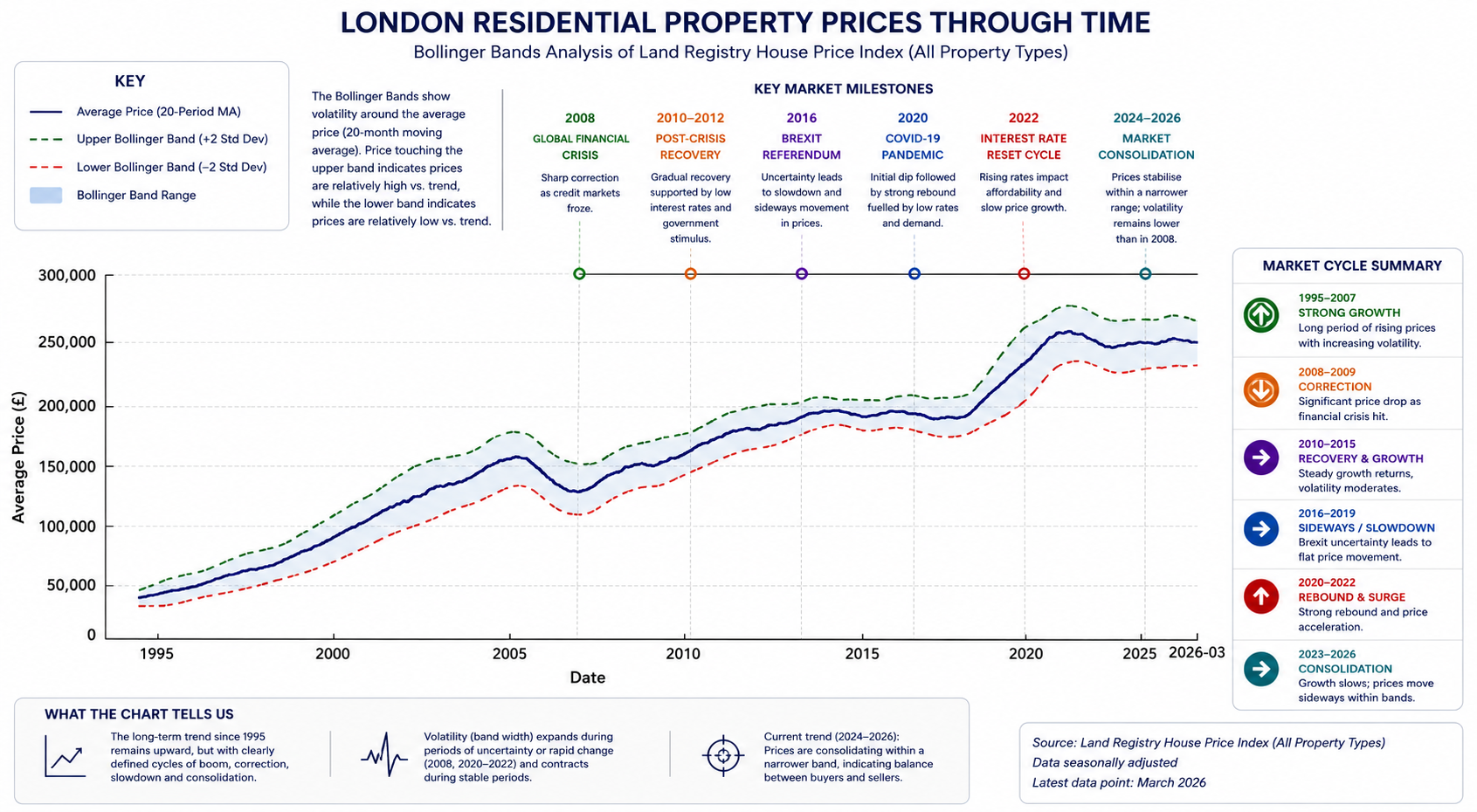
The market today is very different from the low-interest-rate era.
Mortgage affordability pressures have fundamentally changed buyer behaviour. Purchasers are now far more cautious about overpaying because the long-term financial consequences are significant.
This is particularly important when considering the hidden reality behind many overpriced homes:
properties that may already require considerable expenditure on maintenance, repair or upgrading.
A buyer paying a premium today may still inherit:
- ageing roofs
- outdated electrics
- poor insulation
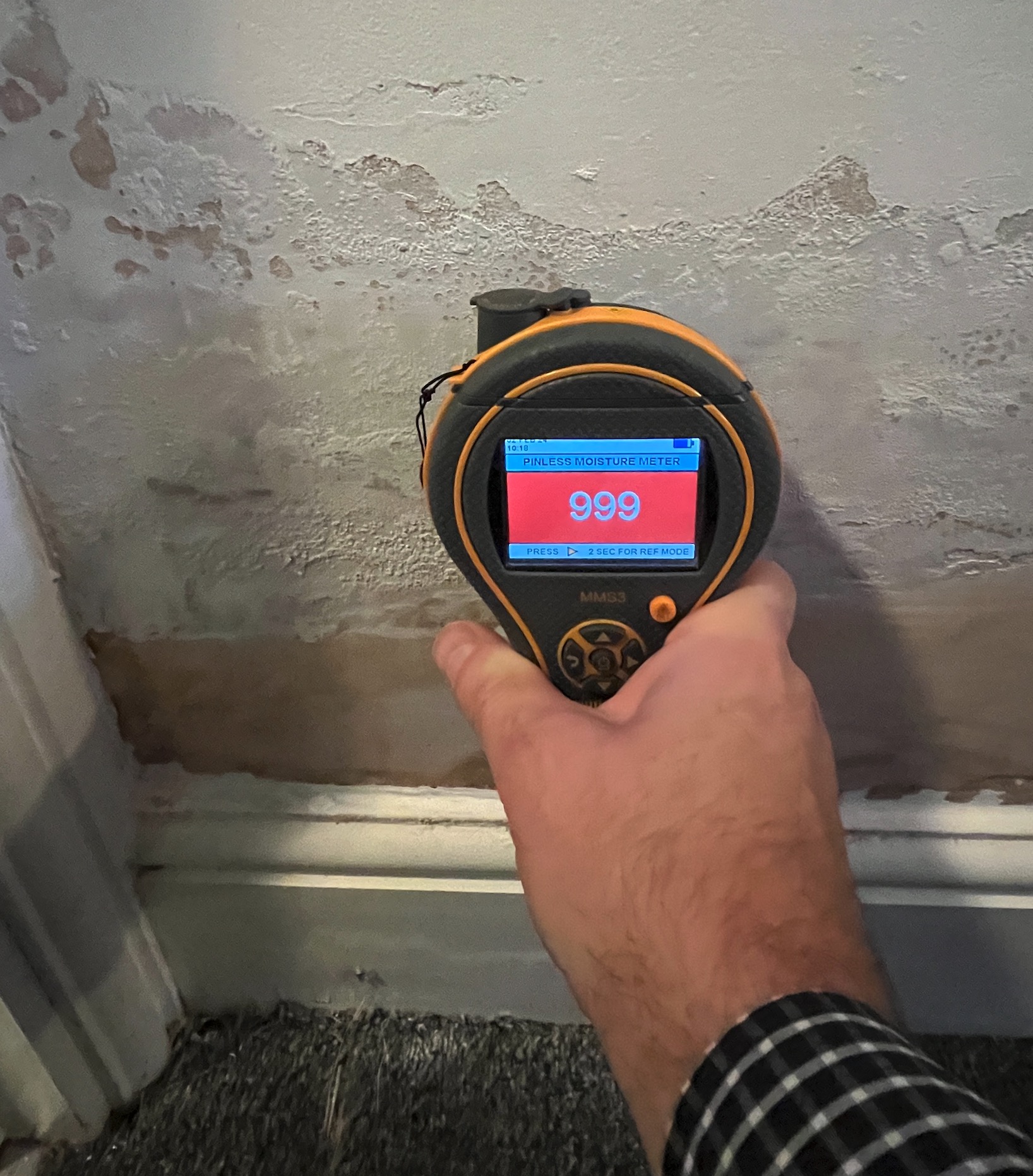
- hidden dampness
- deteriorating windows
- tired heating systems
- structural movement
- neglected maintenance accumulated over many years
The property condition does not improve with time.
Deferred maintenance compounds.
In many cases, the seller attempting to achieve an ambitious price has also postponed significant works, especially if they already intended to move.
This creates a dangerous situation for uninformed buyers:
overpaying for a property that will still require substantial investment after purchase.
Why buyers must stop relying on online estimates alone
One of the most common mistakes buyers make is assuming that online valuation tools reflect true market value.
They do not.
Automated estimates can provide a rough indication, but they are incapable of properly assessing:
- internal condition
- quality of alterations
- hidden defects
- workmanship standards
- lease complications
- structural concerns
- local buyer sentiment
- legal irregularities
- environmental issues
- repair liabilities
A property purchased three years ago for £450,000 does not automatically justify a current asking price of £550,000 simply because online algorithms suggest prices have risen.
Buyers should instead ask:
- What genuine improvements have been made?
- What evidence supports the increase?
- What comparable properties have actually sold for?
- How long has the property been listed?
- Has the asking price already been reduced?
- What condition liabilities exist?
- What future repair costs are likely?
Evidence should drive decisions, not optimism.
The psychology behind unrealistic pricing
Zoopla’s research also found that younger sellers were significantly more likely to overprice their homes.
This makes sense.
Many younger sellers are attempting to “trade up” into larger or more expensive homes and therefore require maximum proceeds from their existing sale. Older sellers, particularly downsizers, often have more equity and less pressure to stretch pricing expectations.
This creates a psychological trap.
The seller begins to think:
“If I need £700,000 for my next purchase, then my current house must be worth £700,000.”
But markets do not reward need.
They reward value.
This is precisely why buyers should negotiate confidently and rationally.
Why negotiation is not offensive, it is essential
Many buyers feel uncomfortable negotiating aggressively, particularly in Britain, where discussing money openly can feel awkward.
But negotiation is not disrespectful.
It is part of rational market behaviour.
Zoopla’s data showed that:
- 53% of successful sellers had to reduce their asking price to secure a buyer
- homes sold on average for 3.5% below the asking price
- Pricing just 5% above local market levels reduced the likelihood of selling by approximately 5%
Those are not opinions.
They are market indicators.
For buyers, this reinforces several important principles:
A property sitting on the market for extended periods is often overpriced.
Repeated relisting can indicate unrealistic expectations.
A seller emotionally attached to a target figure may eventually need to capitulate to market reality.
And perhaps most importantly:
Buyers should never confuse the asking price with the market value.
The smartest buyers are evidence-led
The most successful buyers today behave almost like investigators.
They research the Land Registry history.
They compare local sales.
They analyse time on market.
They study condition carefully.
They commission proper surveys.
They calculate future repair liabilities.
They assess affordability long-term, not emotionally.
This approach is increasingly important because the modern housing market contains a widening gap between aspiration and reality.
Many sellers remain anchored to expectations formed during stronger markets.
Buyers, meanwhile, are operating in a world of higher borrowing costs and tighter affordability.
That mismatch is exactly why so many homes are failing to sell.
Final thoughts
The Zoopla research is valuable because it exposes something buyers should always remember:
A property is only worth what informed buyers are willing to pay in current market conditions.
Not what the seller hopes for.
Not what the estate agent flatters them with.
Not what an online estimate suggests.
And certainly not what is needed to finance the seller’s next lifestyle move.
The buyers who protect themselves best are those who rely on evidence, condition analysis, local comparables and disciplined negotiation.
In today’s market, negotiation is not opportunistic.
It is essential.