Beyond the Viewing: A Smarter Guide to Buying the Right Property
As a practising residential surveyor, I have now inspected and reported on hundreds of properties across London and Kent. Over the years, I have noticed a recurring pattern that I find both interesting and, in many cases, concerning.
Many buyers begin their property search without fully understanding what they truly need, what compromises they are realistically prepared to accept, or what warning signs they should be paying attention to before committing financially and emotionally to a purchase.
From a business perspective, repeat clients returning for additional surveys are naturally appreciated and most welcomed. However, I have increasingly seen buyers spending thousands of pounds on multiple surveys simply because they became emotionally attached to unsuitable properties before carrying out proper preliminary due diligence.
In some cases, buyers commission second, third, or even fourth surveys while still struggling to identify a property that genuinely suits their needs, budget, lifestyle, and long-term expectations.
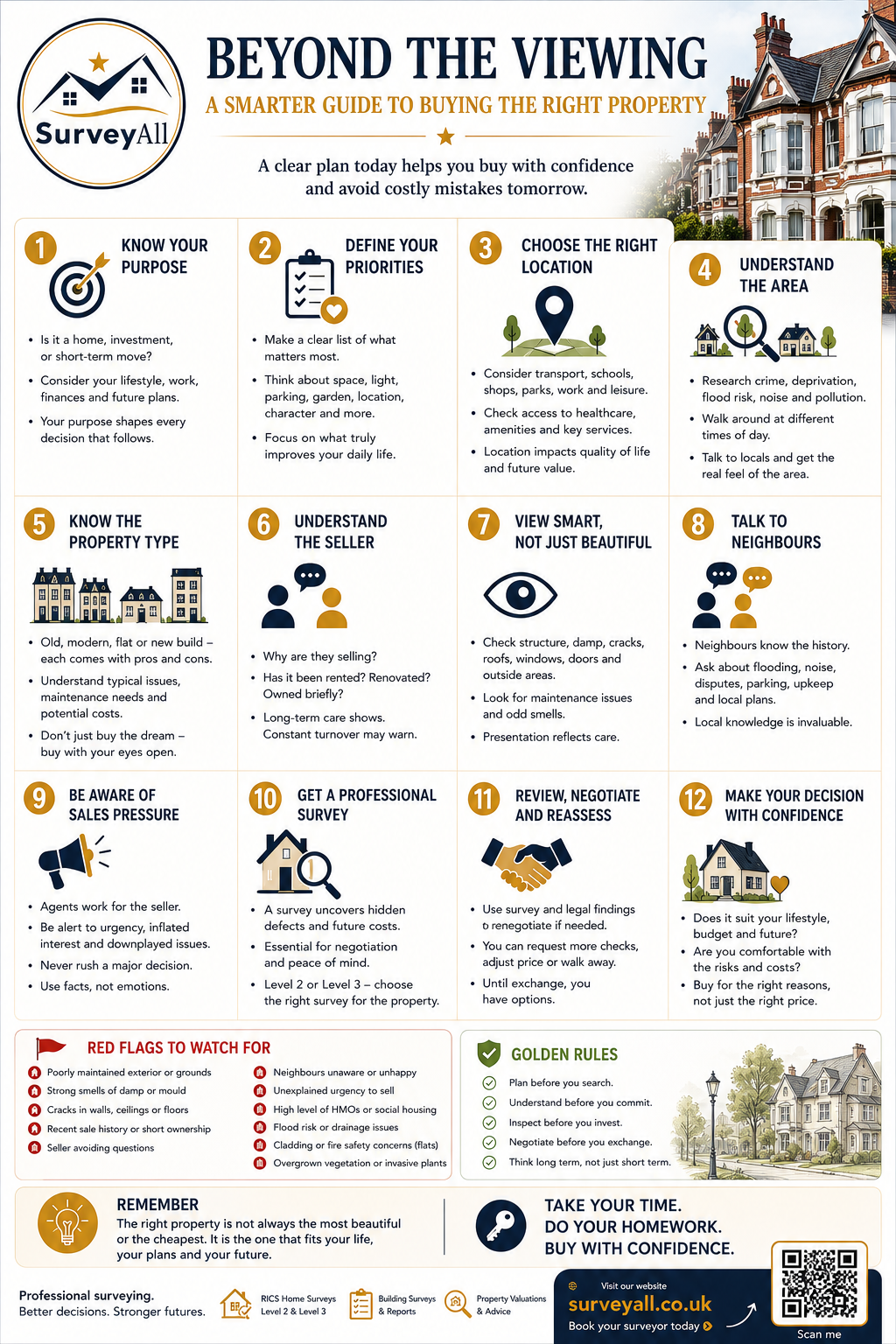
This guide was created to help prospective buyers approach the process more strategically and with greater confidence before they commit significant time and money.
Buying a property is one of the largest financial and emotional commitments most people will ever make. Yet many buyers enter the process with only a vague idea of what they truly need, what risks they are accepting, and what warning signs they should be paying attention to.
In practice, many buyers choose the wrong property not because they are careless, but because they become emotionally attached before carrying out proper due diligence. A successful purchase begins long before a survey is commissioned. It starts with understanding yourself, your lifestyle, your long-term plans, your financial resilience, and the environment in which you want to live.
The purpose of this guidance is not to discourage buyers from obtaining professional surveys. Quite the opposite. A professional survey remains one of the most important stages of the purchasing process. However, carrying out sensible preliminary due diligence before reaching that stage can often save buyers considerable money, stress, and disappointment.
I hope this guide helps buyers make calmer, more informed decisions and avoid some of the common mistakes I regularly encounter during property inspections across London and Kent.
Understanding Why You Are Buying
Before searching online portals or booking viewings, the first and most important question is: Why am I buying this property? This sounds obvious, but many people never properly define their purpose.
Your reason for buying directly affects:
- The type of property you should consider
- The location
- The acceptable level of defects
- Your renovation tolerance
- Your financial exposure
- Your long-term satisfaction
Is this property for:
- A long-term family home?
- A short-term stepping stone?
- An investment?
- A future rental property?
- Retirement living?
- A work-from-home lifestyle?
- A renovation project?
Each purpose creates different priorities. A young professional working in central London may prioritise transport links and low maintenance. A family may prioritise schools, parking, safety, and outdoor space. An investor may focus on rental demand, transport access, local regeneration, and maintenance liabilities. Someone planning retirement may prioritise accessibility, healthcare access, quiet surroundings, and manageable upkeep.
Defining Your True Priorities
Many buyers think they know what they want until they begin viewing properties. A structured priority list helps prevent emotional decision-making.
Examples of Genuine Priorities
These may include:
- Internal space
- Natural light
- A garage
- Off-street parking
- A driveway for multiple vehicles
- Garden size
- Privacy
- Quiet surroundings
- Good transport links
- Character features
- Modern efficiency
- Future extension potential
- Low maintenance
- Security
- Community atmosphere
- Walkability
Some buyers discover they value character and atmosphere more than size. Others realise that convenience and practicality matter more than aesthetics. The important point is understanding what genuinely improves your quality of life.
Choosing the Right Location
The property itself is only part of the decision. Location determines daily experience, future value, convenience, and long-term desirability.
Consider Your Lifestyle
Ask yourself:
- Do I commute?
- Do I work from home?
- Do I need quick access to London or another city?
- Do I prefer countryside or urban living?
- Do I enjoy walking, parks, cafés, leisure facilities, or nightlife?
- Do I have children?
- Do I have pets?
- Do I need quick hospital access?
- Do I require access to public transport?
Environmental Considerations
A location may appear attractive during a short viewing but present long-term issues.
Check:
- Flood risk
- Sloping ground
- Surface water issues
- Exposure to strong winds
- Busy roads
- Railway lines
- Industrial uses nearby
- Planned infrastructure projects
- Aircraft noise
- Pollution exposure
- Mobile signal and internet quality
Local Character and Community
People often underestimate how much the surrounding environment affects well-being. Walk around the area.
Observe:
- General maintenance standards
- Noise levels
- Street cleanliness
- Condition of neighbouring properties
- Parking pressures
- Signs of antisocial behaviour
- Vacant or neglected buildings
Areas with high deprivation often experience:
- Increased crime
- Poorer maintenance standards
- Higher turnover of occupants
- Greater social pressures
This does not automatically make an area undesirable, but buyers should understand the wider context before committing. Deprivation maps, crime statistics, school ratings, and local authority information can all provide valuable insight.
Understanding Property Types and Their Risks
Every property type comes with advantages and disadvantages. There is no perfect building. The key is understanding what risks you are accepting.
Victorian and Edwardian Properties
Advantages:
- Character
- Solid construction
- High ceilings
- Large rooms
- Attractive brickwork
Potential issues:
- Dampness
- Age-related movement
- Timber decay
- Outdated services
- Poor insulation
- Roof deterioration
1930s Properties
Advantages:
- Often well-proportioned
- Good plots
- Traditional construction
- Attractive design features
- Extension potential
Potential issues:
- Cavity wall defects
- Roof ageing
- Old wiring
- Deteriorated drainage
- Timber defects
Post-War Housing
Advantages:
- Often practical and affordable
- Larger estates with good access
Potential issues:
- Non-traditional construction (cheaper materials)
- Concrete deterioration
- Thermal inefficiency
- Structural movement
- Asbestos
Modern Flats and Apartment Buildings
Advantages:
- Convenience
- Lower maintenance responsibility
- Energy efficiency
Potential issues:
- Cladding liabilities
- Service charges
- Lease restrictions
- Fire safety concerns
- Limited control over repairs
- Reinforced concrete deterioration
Buyers should understand not only the appearance of the property, but also how it was built and what maintenance obligations come with it.
Understanding the Seller
One of the most overlooked aspects of property buying is understanding who currently owns the property and why they are selling. This can provide valuable clues.
Questions Worth Asking
- Has the property been rented for many years?
- Was maintenance deferred?
- Is the seller downsizing?
- Is this a probate sale?
- Has the property changed hands frequently?
- Was it recently renovated purely for resale?
Repeated short ownership periods can sometimes indicate unresolved issues and inadequate or a lack of maintenance. A well-maintained home owned by long-term occupants often reflects consistent care. Externally neglected properties frequently indicate wider maintenance shortcomings. Cracked paving, leaning fences, poor gardens, and deteriorated boundaries often reveal how the property was generally managed.
The Viewing Stage
Viewings should not focus purely on decoration or furniture. Buyers should train themselves to observe the condition of the building.
External Checks
Look for:
- Cracks
- Deteriorated pointing
- Bulging walls
- Uneven roofs
- Blocked gutters
- Poor drainage
- Leaning fences
- Old doors and windows
- Overgrown roofs
- Rotting timber
- Roof sagging
- Stained walls
- Poor external maintenance
Internal Checks
Pay attention to:
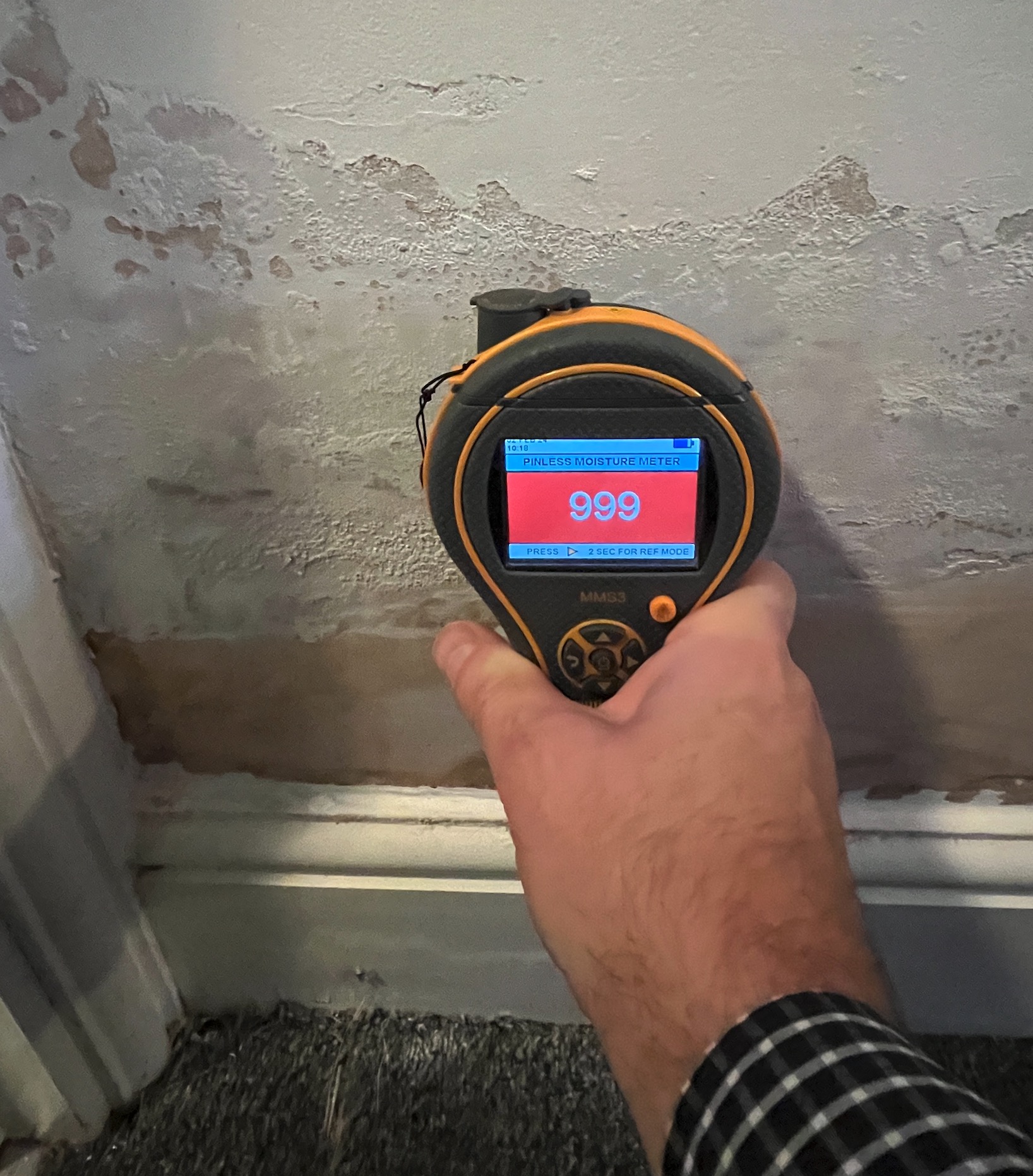
- Damp smells
- Mould growth
- Cracks around openings
- Uneven and sloping floors
- Sticking doors
- Poor ventilation
- Water staining
- Bathroom condition
- Window condition
- General cleanliness and upkeep
The way a property is maintained often reflects how systems behind the surfaces were treated.
Speaking to Neighbours
One of the most valuable and underused forms of due diligence is speaking to neighbours.
Neighbours may reveal:
- Flooding history
- Structural movement
- Persistent dampness
- Antisocial behaviour
- Parking disputes
- Local developments
- Problem landlords
- Boundary disputes
- Japanese knotweed or invasive planting
Many issues affecting daily life will never appear in a sales brochure.
Estate Agents and Sales Pressure
Estate agents work for the seller.
Many agents are professional and helpful, but buyers should still understand the psychology of sales.
Common pressure techniques may include:
- Claiming strong interest from other buyers
- Discrediting property survey results or the surveyor's expertise
- Suggesting offers are imminent
- Encouraging rushed decisions
- Downplaying defects
- Emphasising cosmetic improvements
- Minimising repair concerns
Buyers should remain calm and objective. Never confuse urgency with opportunity. A rushed decision can lead to years of financial strain.
The Importance of a Proper Survey
A viewing alone is never enough.
A professional survey provides:
- Independent assessment
- Defect identification
- Repair guidance
- Risk assessment
- Negotiation support
- Maintenance expectations
A survey helps buyers understand not just what the property looks like today, but what financial responsibilities may follow.
Why Surveys Matter
Many defects are not obvious during viewings.
Examples include:
- Hidden dampness
- Roof deterioration
- Structural movement
- Unsafe electrics
- Failing plumbing
- Timber infestation
- Defective drainage
- Poor alterations
A survey can prevent expensive surprises.
The Final Decision Before Exchange
Even after surveys and legal checks, buyers should pause before exchanging contracts.
Ask yourself:
- Am I comfortable with the defects identified?
- Can I realistically afford repairs?
- Do I still believe this property suits my long-term needs?
- Am I buying emotionally or rationally?
- Have I allowed for future maintenance?
Remember:
Until contracts are exchanged, you still have options.
You may:
- Renegotiate
- Request further investigations
- Withdraw from the purchase
- Reassess your budget
Walking away from the wrong property is often the smartest financial decision.
Final Thoughts
Buying property should never be treated as a race. The best purchases usually come from calm, structured thinking rather than emotional excitement. A successful property purchase is not about finding perfection.
It is about understanding:
- What you need
- What you can realistically afford
- What risks are you accepting
- What compromises make sense for your lifestyle
The more clearly you understand these points, the less likely you are to make costly mistakes.